ULTIMATE FOCACCIA BREAD | by @cheftarrant
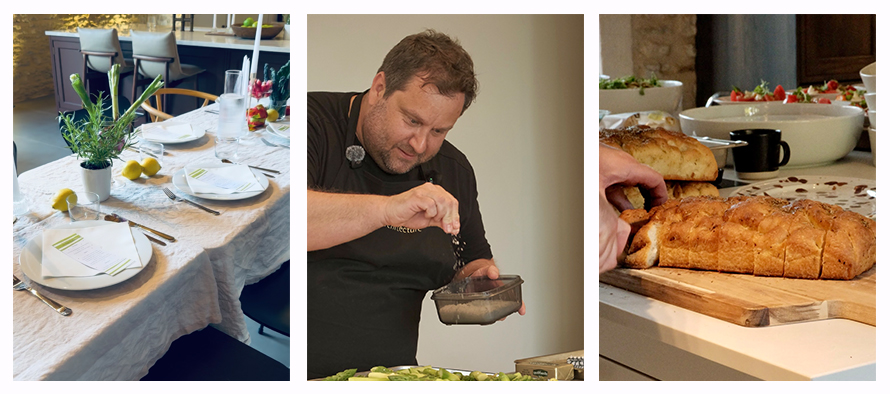
A recipe fitting for the season. Chef Tarrant Ablett, one of our regular supper club chefs, has given in to the DMs and agreed to share the recipe and the technique behind his melt-in-the-mouth focaccia.
If you've been to one of our suppers you'll have tasted it, and you'll know there's never any left at the end of the night, much to the disappointment of our staff, who would happily have hoovered up anything that survived to the next day.
It's easy to make at home once you know how. So here's how:
Usingthe steam function in the XBO gives a burst of steam at a high heat which isperfect for focaccia bread. In a traditional oven, to replicate some steam,have a baking tray on the bottom shelf and when you put the bread tin in on themiddle shelf, throw a few ice cubes onto the baking tray to give a similareffect.
Serves 8 · Bake 30–35 minutes · Oven180°C (XBO) / 200°C (conventional) · 9 x 12 inch tin · Overnight (or up to 48hr) cold ferment
INGREDIENTS
• 515g Strong white bread flour
• 10g Maldon sea salt
• 10g Instant yeast
• 5g Sugar
• 430g Warm water
• 15g Olive oil
• 10g Extra virgin olive oil, for the dough
• Fresh rosemary, for topping
• Maldon sea salt, for topping
• Olive oil, for coating, drizzling and finishing
• Parmesan or pecorino, finely grated, for topping(optional)
METHOD
1.Mix the dry ingredients
In a large bowl, stirtogether the strong white bread flour, Maldon sea salt, sugar, and instantyeast.
2. Add water andoil
Add the warm water, oliveoil, and extra virgin olive oil to the bowl.
3. Mix and firstrest
Using a spatula, stir it alltogether — the dough will look and feel very wet, don't panic. Cover the bowlwith cling film and let it rest and prove for 30 minutes.
4. Stretch andfold
Remove the cling film — thedough should have risen slightly and be a little easier to handle. Resist thetemptation to add more flour. Using your spatula or hands, stretch the dough upand out of the bowl and fold it back in, in long motions, at least 12 times, tobuild the gluten.
5. Oil and cover
Coat a large bowl orcontainer all over with olive oil. Transfer the dough in and slick the top witholive oil too. Cover with cling film (a plastic shower cap works well forthis).
6. Cold ferment
Refrigerate the covereddough for 24–48 hours if time allows — the longer, slow ferment deepens theflavour and gives a more open, bubbly crumb. Overnight (at least 12 hours) isthe minimum.
7. Line the tinand second prove
Line a 9 x 12 inch bakingtin with baking parchment, then oil the parchment generously — this stops thedough sticking to the tin as it bakes and makes it much easier to lift outafterwards. Tip the dough into the tray. Cover and leave at room temperaturefor 2–4 hours, or use the XBO's 'Prove Bread' Special function for 1 hour at40°C.
8. Top and dimple
The dough should havebubbled up and risen. Scatter over the rosemary, then lightly crush the Maldonsalt between your fingers as you scatter it over — this helps it cling to thedimples rather than rolling off. Use your fingers to dimple the dough all over,then pour olive oil into the dimples.
9. Bake
Bake in a preheated XBO at180°C with 20% humidity for 30–35 minutes. In a conventional oven, preheat to200°C with an empty baking tray on the bottom shelf. Bake the focaccia on themiddle shelf, and as soon as it goes in, drop 4–5 ice cubes onto the hot traybelow to create steam. For a savoury variation, scatter over the Parmesan orpecorino for the final 5 minutes of baking.
10. Finish andserve
Remove from the oven andskewer the bread all over to create little holes, then feed these with a goodquality olive oil. Let it rest in the tin for 10 minutes so the crumb setsslightly, then lift it out using the parchment, cool a little further, and servewarm.
Notes
The dough will feel very wet and unmanageable at first— don't panic and don't add extra flour, it firms up with the stretch-and-fold.Get adventurous with toppings: cherry tomatoes and thyme, or anchovies and redonion, both work well in place of rosemary. If not eating the same day, oncefully cool, wrap tightly and freeze rather than leaving at room temperature —focaccia stales quickly, and it revives brilliantly with a few minutes in a hot



.jpg)